Introduction
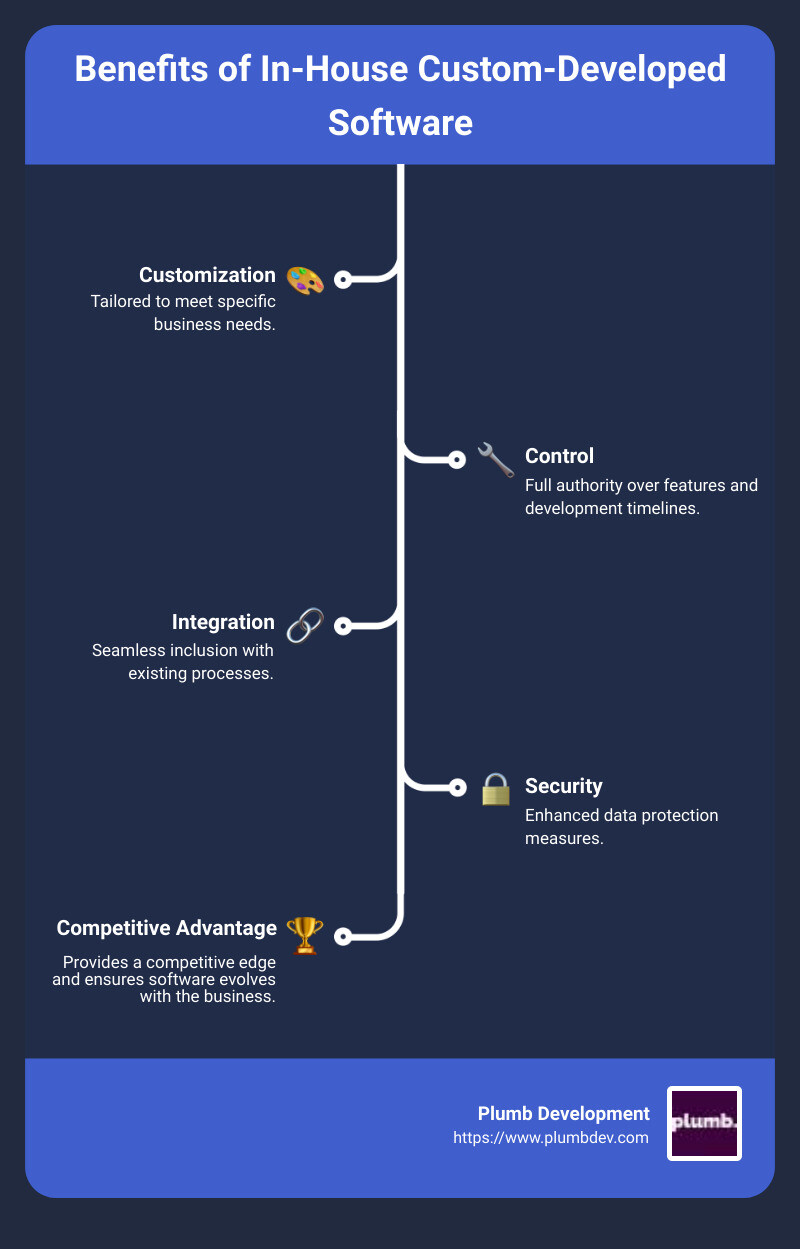
When exploring which of the following is true of in-house custom-developed software, it’s essential to understand what sets it apart. In-house software provides:
- Customization: Tailored to meet specific business needs.
- Control: Full authority over features and development timelines.
- Integration: Seamless inclusion with existing processes.
- Security: Enhanced data protection measures.
In the modern business landscape, the need for tailor-made software solutions has never been more critical. Unlike off-the-shelf software, which is designed to cater to a broad audience, in-house custom-developed software is built specifically for your organization. This means the software can be customized to meet the unique needs and challenges your business faces every day.
Custom solutions offer a level of flexibility and functionality that generic software simply can't match. By developing software in-house, companies can integrate it seamlessly with existing systems, control all aspects of its development, and ensure it adheres to their security protocols. While this approach requires a significant investment of time and resources, the benefits often outweigh the costs, providing a competitive advantage and ensuring that the software evolves along with your business.
Understanding In-House Custom-Developed Software
Definition
In-house custom-developed software refers to applications or tools created by a company's internal development team. These software solutions are tailored specifically to meet the unique needs and requirements of the business. Unlike off-the-shelf software, which is designed for a broad audience, in-house software is built to address the precise challenges and opportunities within a specific organization.
Custom vs. Off-the-Shelf
Off-the-Shelf Software:- Pre-built: Ready-made solutions available for immediate use.- Broadly Applicable: Designed to serve a wide range of industries and use cases.- Cost-Effective: Generally less expensive upfront because development costs are spread across many users.- Limited Customization: Offers limited options for tailoring to specific needs.
In-House Custom-Developed Software:- Tailor-Made: Developed from scratch to fit the exact needs of the organization.- Highly Specific: Addresses unique business processes and challenges.- Higher Initial Cost: Requires significant investment in time, resources, and expertise.- Full Control: Allows for complete customization, integration, and flexibility.
Bespoke Software
Bespoke software is another term for custom-developed software. It underscores the idea that the software is "made to order," much like a bespoke suit. This approach ensures that the software fits perfectly with the business's requirements, processes, and goals.
Example: CRUD Applications
Many in-house development projects focus on creating specific tools for managing data. CRUD applications, which allow users to Create, Read, Update, and Delete data, are a common example. These tools enable non-technical staff to interact with data sets efficiently, ensuring accuracy and consistency.
Example: Admin Panels
Admin panels are another common in-house solution. These interfaces help manage administrative tasks such as user management, monitoring, and reporting. By customizing these panels, companies can streamline operations and improve oversight.
Case Study: Plumb Development
At Plumb Development, we understand the intricacies of creating bespoke software solutions. Our team builds scalable applications that integrate seamlessly with existing systems, ensuring that no single resource is taken for granted. We focus on understanding the business need and user case to deliver software that truly adds value.
By understanding the nuances of in-house custom-developed software, businesses can make informed decisions about whether this approach is right for them. The next section will delve into the advantages of in-house custom-developed software, exploring the benefits of customization, integration, control, and security.
Advantages of In-House Custom-Developed Software
In-house custom-developed software offers several key advantages that can significantly benefit your organization. Let's explore these benefits in detail.
Customization
One of the biggest advantages of in-house custom-developed software is customization. Unlike commercial off-the-shelf (COTS) software, which is designed to meet a broad range of needs, custom software is built specifically for your organization. This means it can be tailored to meet your exact requirements.
Imagine a retail business needing a unique inventory management system. Off-the-shelf solutions might not offer the specific features they need, but a custom-developed system can include everything from specialized reporting tools to unique user interfaces.
Integration
Integration with existing systems is another major benefit. Custom software can be designed to work seamlessly with your current systems and processes, ensuring a smooth workflow. This can greatly improve efficiency and reduce the chances of errors.
For example, a company using multiple software systems for different departments can develop a custom solution that integrates all these systems into a single platform. This ensures that data flows smoothly between departments, reducing the need for manual data entry and minimizing errors.
Control
When you develop software in-house, you have full control over the development process. This includes deciding on the features, functionality, and timeline. This level of control can be particularly beneficial for companies with unique or complex requirements that cannot be easily met by existing software solutions.
Think about a company with specific regulatory compliance needs. With in-house development, they can ensure that the software meets all necessary regulations and standards, something that might not be possible with COTS software.
Security
Security is a critical concern for any organization, and in-house custom-developed software can offer greater control over data security and privacy. You can implement your own security measures and protocols, rather than relying on third-party vendors.
For instance, a healthcare provider handling sensitive patient data can develop a custom solution with robust encryption and access controls. This ensures that only authorized personnel can access the data, thus maintaining patient confidentiality and complying with regulations like HIPAA.
By leveraging these advantages, businesses can develop software solutions that are perfectly aligned with their needs, providing a significant competitive edge. Next, we'll explore the challenges and considerations associated with in-house custom-developed software.
Challenges and Considerations
While in-house custom-developed software offers many benefits, it’s essential to understand the challenges that come with it. Let's dive into the key considerations: cost, time, expertise, maintenance, and risk/reward.
Cost
A challenge is the cost. Skilled developers command high salaries, and building an entire team can be a major investment. Even with a small team, the costs can add up quickly.
You need to consider not just salaries, but also benefits, training, and the tools and infrastructure required for development. For some businesses, these upfront costs can be prohibitive.
Time
Developing software in-house can take a lot of time. Unlike commercial software that can be purchased and installed quickly, custom development requires significant planning and execution time.
For example, creating a complex application might take months or even years. During this period, your team will need to focus on development rather than other important tasks, which can delay other projects.
Expertise
Building a custom solution requires a high level of expertise. Your team needs to have a deep understanding of various programming languages, frameworks, and tools. Finding and retaining such talent can be challenging.
Moreover, the team must stay updated with the latest technologies and best practices. This continuous learning process is vital to ensure the software remains relevant and efficient.
Maintenance
Once the software is developed, it’s not a one-and-done deal. Maintenance is an ongoing requirement. Your team will need to handle updates, bug fixes, and improvements continuously.
This requires a dedicated effort to ensure the software remains functional and secure over time. Ignoring maintenance can lead to software becoming outdated or vulnerable to cyber threats.
Risk/Reward
Finally, the risk/reward factor is crucial. In-house development can be risky due to the high costs and potential for delays. There’s also the risk of the project not meeting expectations or failing altogether.
However, the rewards can be substantial. Custom software tailored to your specific needs can provide a competitive edge, streamline operations, and improve efficiency.
For instance, a company that successfully develops a custom CRM system can see improved customer interactions and data management, leading to better business outcomes.
Understanding these challenges and considerations is vital for making informed decisions about in-house custom-developed software. Next, we’ll look at the key factors for success in these projects.
Key Factors for Success
Software Engineering Management
Effective software engineering management is crucial for the success of in-house custom-developed software. It involves planning, directing, and coordinating the software development process. Good management ensures that the project stays on track and meets its goals.
For example, having a clear Product Requirements Document (PRD) helps everyone understand what the software should do. This prevents misunderstandings and keeps the team aligned.
Communication
Clear and effective communication is the backbone of any successful software project. Teams need to share information accurately and promptly to avoid delays and errors.
Using tools like instant messaging and project management platforms can help streamline communication. These tools help teams track progress, share updates, and collaborate more efficiently.
Custom Application Needs
Understanding the specific needs of your application is essential. Custom software should be designed to fit your unique requirements, not the other way around.
For instance, if your business needs a specialized data modeling solution, your development team should focus on creating a system that handles relational vs. non-relational data smartly. This ensures that your software is tailored to your business processes.
Strategic Planning
Strategic planning is about setting clear goals and defining the steps to achieve them. This includes identifying the skills and roles needed for the project, such as front-end developers, UX specialists, and project managers.
A well-thought-out plan helps in resource allocation and ensures that the project is completed on time and within budget. It also involves continuous market research and scenario planning to adapt to any changes.
By focusing on these key factors, businesses can increase their chances of success with in-house custom-developed software. Up next, we’ll answer some frequently asked questions about this topic.
Frequently Asked Questions about In-House Custom-Developed Software
What Makes In-House Software Customizable to Exact Requirements?
In-house custom-developed software is tailored specifically for your business needs. Unlike off-the-shelf solutions, which cater to a broad market, in-house software can be fine-tuned to meet your exact specifications.
Customization is one of the biggest advantages. For example, if your company has unique workflows, in-house developers can build software that integrates seamlessly with these processes. This level of customization ensures that the software fits perfectly with your operations.
Ownership is another key factor. When you develop software in-house, you own the intellectual property. You have full control over its features and updates, allowing you to make changes as your business evolves.
How Does In-House Development Compare to Server Farms in Handling User Requests?
In-house development can offer more efficient handling of user requests compared to relying on external server farms. Here’s why:
- Better Integration: In-house software can be designed to work seamlessly with your existing systems. This reduces latency and improves the speed of user requests.
- Enhanced Security: With in-house development, you have full control over security protocols. This minimizes the risk of data breaches compared to using third-party servers.
- Flexibility: In-house teams can quickly pivot and make changes based on user feedback. This agility is often lacking with outsourced solutions.
What Are the Benefits of Mobile Systems in In-House Software Use?
Mobile systems in in-house software provide several advantages:
- Accessibility: Employees can access the software from anywhere, increasing productivity and flexibility. This is especially useful for remote work environments.
- Real-Time Updates: Mobile systems allow for real-time data entry and updates, ensuring that information is always current and accurate.
- Improved User Experience: Tailoring the software for mobile use can enhance user experience by providing intuitive interfaces and easy navigation.
For instance, a custom mobile app developed in-house can include features like push notifications and offline access, which are not always available in commercial software.
By addressing these frequently asked questions, we hope to clarify the true value of in-house custom-developed software. Next, let’s explore how Plumb Development can empower your business through innovative solutions.
Conclusion
Empowering Through Innovation
In-house custom-developed software offers a unique opportunity to align technology with your business's specific needs. By developing software tailored to your exact requirements, you gain control over features, functionality, and integration. This level of customization is often unmatched by off-the-shelf solutions.
However, the journey of in-house development is not without its challenges. It demands a significant investment in time, expertise, and resources. Yet, the rewards—such as enhanced security, seamless integration, and full control over your software—can far outweigh these costs.
Plumb Development
At Plumb Development, we specialize in creating custom software solutions that empower your business through innovation. Our team understands the complexities of building bespoke software from the ground up. We are committed to delivering solutions that not only meet your current needs but also adapt as your business grows.
Whether you require a simple CRUD app, an intuitive admin panel, or a comprehensive workflow tool, Plumb Development has the expertise to bring your vision to life. We leverage the latest technologies to ensure that your software is robust, secure, and user-friendly.
By partnering with Plumb Development, you can transform your business processes, enhance efficiency, and gain a competitive edge in your industry.
Ready to take the next step? Discover how our custom software development services can empower your business.
By addressing the realities of in-house custom-developed software, we hope to provide you with a clear understanding of its potential benefits and challenges. With the right partner, like Plumb Development, you can navigate these complexities and achieve innovative solutions tailored to your unique needs.