
Introduction
Custom application development is a vital strategy for businesses looking to tailor digital solutions precisely to their unique needs. If you're exploring how to boost your company’s efficiency, adaptability, and competitiveness through technology, this is your starting point.
Custom software development diverges significantly from off-the-shelf solutions by focusing on creating applications that are specifically designed to address the intricate requirements of a business. This approach is not just about coding; it's about understanding your business deeply and crafting software that behaves as a seamless extension of your operations.
For a small or medium enterprise owner, delving into custom applications means betting on a digital transformation that can lead to increased online visibility, enhanced customer engagement, and streamlined operations. The process usually involves several key steps:
- Gathering specific requirements related to your business needs.
- Designing a tailored application architecture.
- Developing the application with these specific requirements in mind.
- Testing for quality assurance.
- Deploying the application effectively.
- Maintaining the application with ongoing support.
This journey ensures that every facet of the software not only meets but enhances the operational strategies of your enterprise.
Understanding Custom Application Development
When we talk about custom application development, we're diving into creating software that's specifically made to fit a business's unique needs. Unlike one-size-fits-all software, custom software is like having a suit tailored just for you—designed to fit every aspect of your business perfectly.
Definition
Custom application development involves designing, building, and deploying software applications that are tailored to the specific requirements of a user or a group of users within an organization. This could be anything from a complex inventory system for a large manufacturer to a simple app that helps a small business track customer appointments.
Process
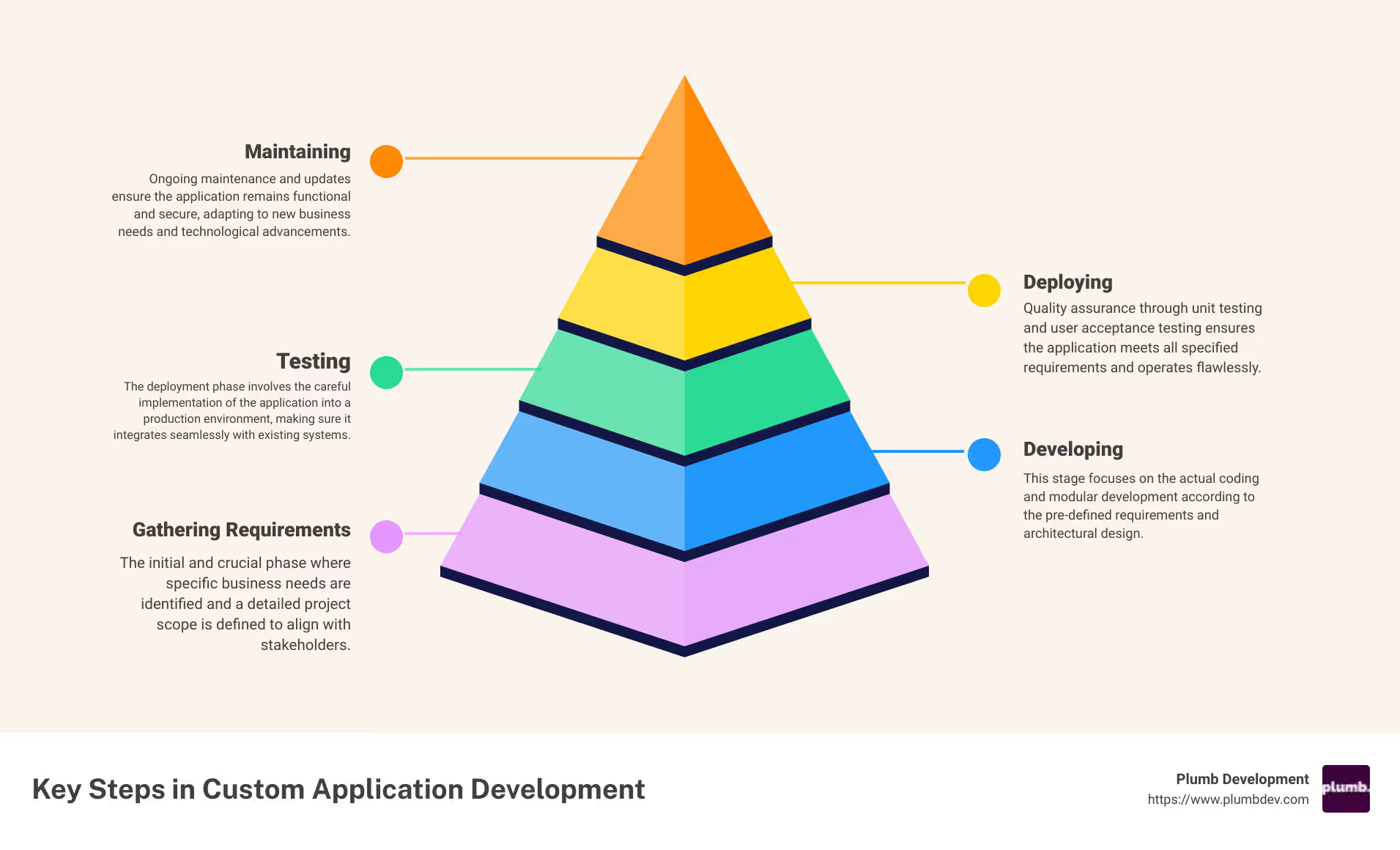
The process of developing custom software is meticulous and structured:
- Requirements Gathering: This is where you define what you need the software to do. It involves talking to stakeholders and understanding the problems that need solving.
- Design: Here, the blueprint of the application is created, outlining how the software will work and what it will look like.
- Development: During this phase, developers write the code to build the application.
- Testing: This crucial step involves checking the software for bugs and ensuring it meets all requirements.
- Deployment: Once everything is tested and approved, the software is launched and made live.
- Maintenance: After deployment, the software needs regular updates and maintenance to ensure it continues to function smoothly.
Custom vs. Off-the-Shelf
Choosing between custom and off-the-shelf software can be tricky. Here’s a simple way to think about it:
- Off-the-Shelf: This is like buying a ready-made suit. It’s quick, often cheaper, and easy to get. However, it might not fit perfectly, and you’ll have the same suit as many others.
- Custom Software: This is like having a suit made to measure. It’s designed to fit all your specific requirements, but it takes more time and investment.
Custom software offers several advantages:
- Tailored Solution: It’s built to meet your specific needs.
- Scalability: It can grow with your business.
- Integration: Easily integrates with your existing tools.
- Security: Harder for hackers to target as it’s not widely used.
- Competitive Edge: Gives you unique tools that competitors don’t have.
In conclusion, custom application development is about creating solutions that are perfectly aligned with your business's needs and goals. It's about ensuring that your software operates seamlessly with your business processes, giving you the edge in a competitive market. Whether you're looking to streamline operations, enhance functionality, or boost security, custom software can be designed to address these needs effectively.
The Benefits of Custom Software Development
Tailored Solutions
Custom software is like a suit tailored specifically for your business. It's designed to fit perfectly with your company's operations, goals, and workflows. This customization means the software functions exactly how you need it to, without any unnecessary features that you'll never use. It's built around your business's specific requirements, which can lead to increased efficiency and productivity.
Scalability
Custom software grows with your business. As your business evolves, so can your software. This is crucial for businesses that plan to scale up because it ensures that the software can handle an increase in users, data, or transactions without performance hitches. This flexibility allows you to make adjustments as your business needs change, without being tied to the limitations of off-the-shelf software.
Integration
One of the significant advantages of custom software is its ability to integrate seamlessly with existing systems. Whether it's your CRM, ERP, or any other tools your business uses, custom software can be designed to ensure smooth interoperability. This integration capability eliminates data silos, enhances data accuracy, and provides a unified view of business operations.
Competitive Edge
Custom software provides you with a unique toolset that sets you apart from your competitors. This can be a game-changer in today's competitive market. By having software that is specifically designed to enhance your business's strengths and address its particular challenges, you can offer services or efficiencies that your competitors cannot match. This can lead to improved customer satisfaction and increased market share.
Security
Custom software can be more secure than off-the-shelf solutions. Since it's built specifically for your business, you can incorporate security features tailored to your specific risks and compliance requirements. Custom applications are less likely to be targeted by hackers compared to widely used commercial software, making them a safer choice for businesses that handle sensitive data.
Custom application development not only supports your current business operations but also paves the way for future growth and innovation. By investing in custom software, you're not just buying a product; you're investing in a technology solution that will evolve and adapt to meet the ever-changing needs of your business. As we continue to delve deeper into the custom application development process, these benefits form the foundation on which successful software is built.
The Custom Application Development Process
The journey from concept to a fully functional application involves several crucial steps, each designed to ensure the final product is tailored to meet your unique business needs and objectives. Let's explore these steps in detail.
Step 1: Defining the Project Scope and Requirements
The first step is all about understanding what you need. This involves gathering detailed requirements from various stakeholders—think of it as setting the foundation for your custom application. Key activities include:- Identifying business goals and challenges- Defining functional and non-functional requirements- Considering security, scalability, and regulatory needs
Effective communication with all stakeholders ensures that everyone's expectations are aligned from the outset.
Step 2: Planning and Designing the Application Architecture
Next, we lay out the blueprint of your application. This stage focuses on:- Designing a high-level architecture that supports scalability, performance, and security- Selecting the right technology stack that aligns with your business needs and future growth- Ensuring the architecture is robust enough to handle expected loads and data processing requirements
This step is crucial as it dictates how well the application will perform and scale as your business grows.
Step 3: Development and Coding of the Application
With a clear plan in place, our developers start bringing your application to life. This phase includes:- Writing clean, efficient, and maintainable code following best coding practices- Developing the application in modules, which helps in managing complexities and testing- Regularly reviewing and iterating the code to ensure it meets the initial requirements
Modular development allows for flexibility and easier maintenance of the application.
Step 4: Testing and Quality Assurance
No application is ready without thorough testing. This critical phase ensures your application is robust and ready for real-world use. Activities include:- Unit testing to check individual components for correct behavior- Integration testing to ensure different parts of the application work together smoothly- User acceptance testing involving actual users to validate the usability and functionality of the application
This step helps in identifying and fixing any potential issues before the application goes live.
Step 5: Deployment and Implementation
Once testing is complete, the application is ready to go live. This step involves:- Preparing and executing a detailed deployment plan- Setting up the production environment to ensure the application runs smoothly- Monitoring the deployment process to address any issues immediately
Successful deployment is critical as it marks the transition from development to real-time usage.
Step 6: Maintenance and Support
The development process doesn't end with deployment. Ongoing maintenance and support are essential to:- Ensure the application continues to perform optimally- Provide timely updates and enhancements based on user feedback and technological advancements- Address any new security vulnerabilities or compliance requirements
Regular updates and proactive maintenance help in keeping the application relevant and efficient over time.
By following these steps in the custom application development process, businesses can ensure that they get a software solution that not only meets their current needs but is also scalable and flexible enough to grow with them. This structured approach helps in minimizing risks and maximizing the effectiveness of the custom software, providing businesses with a powerful tool to enhance their operations and competitive edge. We'll explore how low-code platforms are impacting this traditional development approach.
Low-Code Development and Its Impact
Low-code platforms have revolutionized the way businesses approach custom application development. By simplifying the development process, these platforms enable even those with minimal coding knowledge to create applications that meet specific business needs. Let's delve into how low-code platforms, citizen developers, and rapid prototyping are shaping the future of application development.
Low-Code Platforms
Low-code platforms provide a visual development environment where users can drag and drop application components, connect them together, and create applications much faster than traditional coding allows. This approach not only speeds up the development process but also significantly reduces the complexity involved in creating applications. Platforms like Kissflow and Zoho Creator have been at the forefront, offering tools that simplify the creation of custom applications.
Citizen Developers
A citizen developer is typically a non-professional developer who creates applications for use by others using corporate IT-sanctioned development and runtime environments. With low-code platforms, citizen developers can now take charge of their own application needs, building solutions without waiting for IT department queues. This shift democratizes the development process, allowing for quicker responses to market changes and immediate problem-solving within various departments.
Rapid Prototyping
Rapid prototyping is another significant advantage brought about by low-code development. It allows businesses to quickly build a working model of their applications to test ideas and functionality before committing to a full development project. This process helps in validating concepts, refining user requirements, and making necessary adjustments with minimal costs. Rapid prototyping encourages iterative development, where feedback is used to improve the application in quick cycles, greatly enhancing the end product's effectiveness and user satisfaction.
By leveraging low-code platforms, businesses can reduce dependency on highly skilled IT professionals for every development task, which can lead to cost savings and faster turnaround times. Moreover, these platforms empower employees to contribute directly to digital transformation initiatives, fostering a culture of innovation and collaboration.
As we continue to explore the evolving landscape of custom application development, the impact of low-code platforms highlights a shift towards more agile and user-centric development methodologies. This change not only accelerates the development process but also enables businesses to more effectively meet their unique operational challenges.
Frequently Asked Questions about Custom Application Development
What distinguishes custom software development from off-the-shelf solutions?
Custom software development is all about creating solutions that fit like a glove. Imagine you're buying a suit. Off-the-shelf software is like picking up a suit directly from the rack—it might fit okay, but it won't be perfect. Custom software, on the other hand, is like having a tailor make a suit that fits every contour of your body perfectly.
With custom application development, your business gets software that is specifically designed to meet your unique needs and integrate seamlessly with your existing systems. This means no more workarounds or compromises on functionality. It's built to grow with your business, adapting to new requirements as needed.
How can businesses benefit from custom application development?
Businesses can reap several significant benefits from investing in custom application development:
- Tailored Solutions: Just like a custom-tailored outfit, custom software fits your business perfectly, enhancing efficiency by aligning with your specific processes and workflows.
- Scalability: Custom applications can grow as your business grows. They are built to handle increased loads and can be easily updated with new features as your business evolves.
- Integration: Custom software can be designed to integrate smoothly with your existing applications, creating a cohesive IT environment that enhances data sharing and communication across platforms.
- Competitive Edge: Having software that is unique to your business can differentiate you from competitors, offering functionalities that off-the-shelf solutions can't provide.
- Security: Tailored software can address specific security concerns, ensuring that your sensitive business data is protected according to the highest standards.
What is the role of low-code platforms in custom software development?
Low-code platforms are changing the game in custom application development. They provide tools that simplify the development process, making it faster and more accessible. Here’s how they help:
- Speed: Low-code platforms reduce the amount of hand-coding needed, speeding up the creation of applications and allowing faster response to market or operational changes.
- Accessibility: These platforms enable people without extensive programming knowledge, often called 'citizen developers,' to build or contribute to applications. This democratizes the development process and can help bridge the gap between IT and other business units.
- Cost-Effectiveness: With faster development cycles and less need for deep technical skills, low-code can reduce overall development costs.
- Innovation: By making it easier to test ideas and iterate, low-code platforms can foster a culture of innovation within organizations, allowing businesses to try new things with less risk.
As businesses continue to navigate digital landscapes, the flexibility and efficiency offered by custom application development and enhanced by low-code platforms stand out as key enablers for growth and adaptation. These tools not only support the creation of bespoke solutions but also empower teams to innovate and respond to changing business needs swiftly and effectively.
Conclusion
At Plumb Development, we understand that the journey toward digital transformation is unique for every business. That's why our focus on custom application development is about more than just building software; it's about crafting tailored digital solutions that align perfectly with your business goals and operational needs.
Tailored Digital Solutions are at the heart of what we do. We believe that every business has its own set of challenges and opportunities, and there's no one-size-fits-all solution. Our approach involves deep collaboration with our clients to ensure that the software we develop not only meets but exceeds their expectations. This bespoke approach helps in enhancing business efficiency, improving customer engagement, and maintaining a competitive edge in the market.
Our custom software solutions are designed to be scalable, secure, and integrative. Whether you're looking to streamline internal processes, enhance customer interaction, or harness data for better decision-making, our team has the expertise to deliver solutions that fit. From initial consultation to ongoing support, we are committed to your success.
We leverage the latest technologies and methodologies to ensure that our projects are of the highest quality and are delivered on time. Our iterative development process allows for continuous feedback and improvement, ensuring that the final product is a true reflection of your vision.
In conclusion, choosing Plumb Development for your custom software needs means partnering with a team that is dedicated to your success. We invite you to explore how our tailored digital solutions can transform your business. Discover more about our services and how we can help you achieve your digital transformation goals at Plumb Development.
Embrace the future with confidence, knowing that your software solutions are not just built for today but architected for tomorrow's challenges and opportunities. Join us at Plumb Development, where your vision meets our expertise, and together, we create not just software, but success.