
Why is custom software development important? Custom software development tailors digital tools specifically to meet the unique demands and improve function within businesses. This customization ensures higher efficiency, better user experience, and potentially significant cost savings over time.
Introduction
In the dynamic world of business, particularly for small and medium-sized enterprises (SMEs), custom software development stands out as a transformative force. Off-the-shelf software often falls short in meeting the specific needs of individual businesses. Custom solutions, on the other hand, allow for precise adjustments and enhancements that align directly with your operational goals and customer engagement strategies.
Customization and tailor-made solutions offer a higher level of personalization that generic software simply cannot match. This means software that not only fits your immediate requirements but also provides the flexibility to grow and adapt alongside your business. Whether it's streamlining processes, integrating with existing digital infrastructure, or offering unique user experiences, custom software molds itself to the contours of your business landscape, driving efficiency and fostering innovation.
For a SME owner, navigating the complex digital landscape can be daunting. Custom software development not only simplifies this challenge but also equips you with tools designed specifically to leverage your business's unique strengths.
Why Custom Software Development is Important
In today's rapidly evolving business environment, staying ahead of competition means not just keeping up with trends but setting them. Why custom software development is important lies in its core ability to transform a business from reactive to proactive, gearing up for future challenges with tailored solutions. Let’s break down the essential elements that make custom software development indispensable.
Personalization
Every business has its unique processes and challenges. Custom software is like a bespoke suit, tailored to fit every nuance of your business needs, ensuring no feature feels out of place. This personalization means your software can handle specific tasks precisely as you need them, without the unnecessary bloatware that comes with off-the-shelf solutions.
Scalability
As your business grows, so do your technological needs. Custom software development embraces scalability, allowing you to add features or expand capabilities as your business evolves. This flexibility ensures that your software can grow along with your company, providing a long-term solution that off-the-shelf software often cannot match.
Security
One of the standout benefits of custom software is enhanced security. Tailored software solutions can address specific security concerns inherent to your business or industry. By having software that is exclusively yours, you also reduce the risk of common vulnerabilities that attackers exploit in widely used off-the-shelf software.
Cost-Effectiveness
While the initial investment in custom software might be higher, the long-term savings are significant. Custom software eliminates the need for multiple off-the-shelf products and the subsequent licensing fees. Additionally, it reduces the need for extensive modifications and patches that off-the-shelf software often requires to fit your business model.
Integration
Seamless integration into your existing digital infrastructure is another compelling reason why custom software development is crucial. Custom solutions can be built to work harmoniously with your current setups, such as CRM systems, databases, and other operational tools, facilitating smoother workflows and data consistency across your organization.
Unique Solutions
Lastly, the opportunity to implement unique solutions that provide you with a competitive edge is a significant advantage of custom software. Whether it’s a groundbreaking feature exclusive to your business or advanced data analytics capabilities, custom software allows you to innovate in ways that off-the-shelf software simply cannot accommodate.
Custom software development isn’t just about keeping up with technology trends; it’s about creating a strategic asset that molds itself to the contours of your business landscape, driving efficiency and fostering innovation.
For a SME owner, navigating the complex digital landscape can be daunting. Custom software development not only simplifies this challenge but also equips you with tools designed specifically to leverage your business's unique strengths. As we move into discussing the key benefits of custom software development, keep in mind how these tailored solutions can transform your operational efficiency and strategic output.
Key Benefits of Custom Software Development
When considering why custom software development is important, explore the tangible benefits it brings to businesses. From improved flexibility to enhanced security, the advantages are compelling and can significantly influence your company's growth and efficiency.
Improved Flexibility
Custom software is like having a suit tailored just for you; it fits your business perfectly. You can adjust and expand it as your business grows and as needs change. This flexibility means your software can evolve with your company, ensuring you always have the right tools for the job.
Enhanced Security
Security is a top priority for any business, and custom software offers superior protection. By developing a unique solution, you have the power to implement security measures that are specifically designed for the sensitive aspects of your business operations. This customized approach reduces vulnerabilities that are often found in more generic, off-the-shelf software products.
Optimized Costs
While the initial investment in custom software might be higher, the long-term savings are significant. Custom software eliminates the need for multiple off-the-shelf products and the accompanying licensing fees. Moreover, it reduces the need for ongoing adjustments and the potential costs associated with fitting a pre-made software into your business processes.
Seamless Integration
Custom software can be designed to integrate smoothly with your existing tools and systems, creating a cohesive technology environment. This seamless integration capability facilitates efficient data flow and communication across various platforms, enhancing productivity and reducing the time spent on troubleshooting integration issues.
Personalized User Experience
Custom software gives you the control to create an intuitive user interface tailored to your staff's needs, which can dramatically increase ease of use and reduce training time. A personalized user experience boosts employee morale and productivity by allowing users to interact with the software in a more natural and engaging way.
These key benefits of custom software development highlight the value of investing in solutions that are specifically designed to meet your business's unique requirements and challenges. By embracing custom software, you are investing in a technology that not only fits your current needs but also adapts to your future growth and changes. As we proceed, we'll delve into the custom software development process and how it translates these benefits into real-world applications.
The Custom Software Development Process
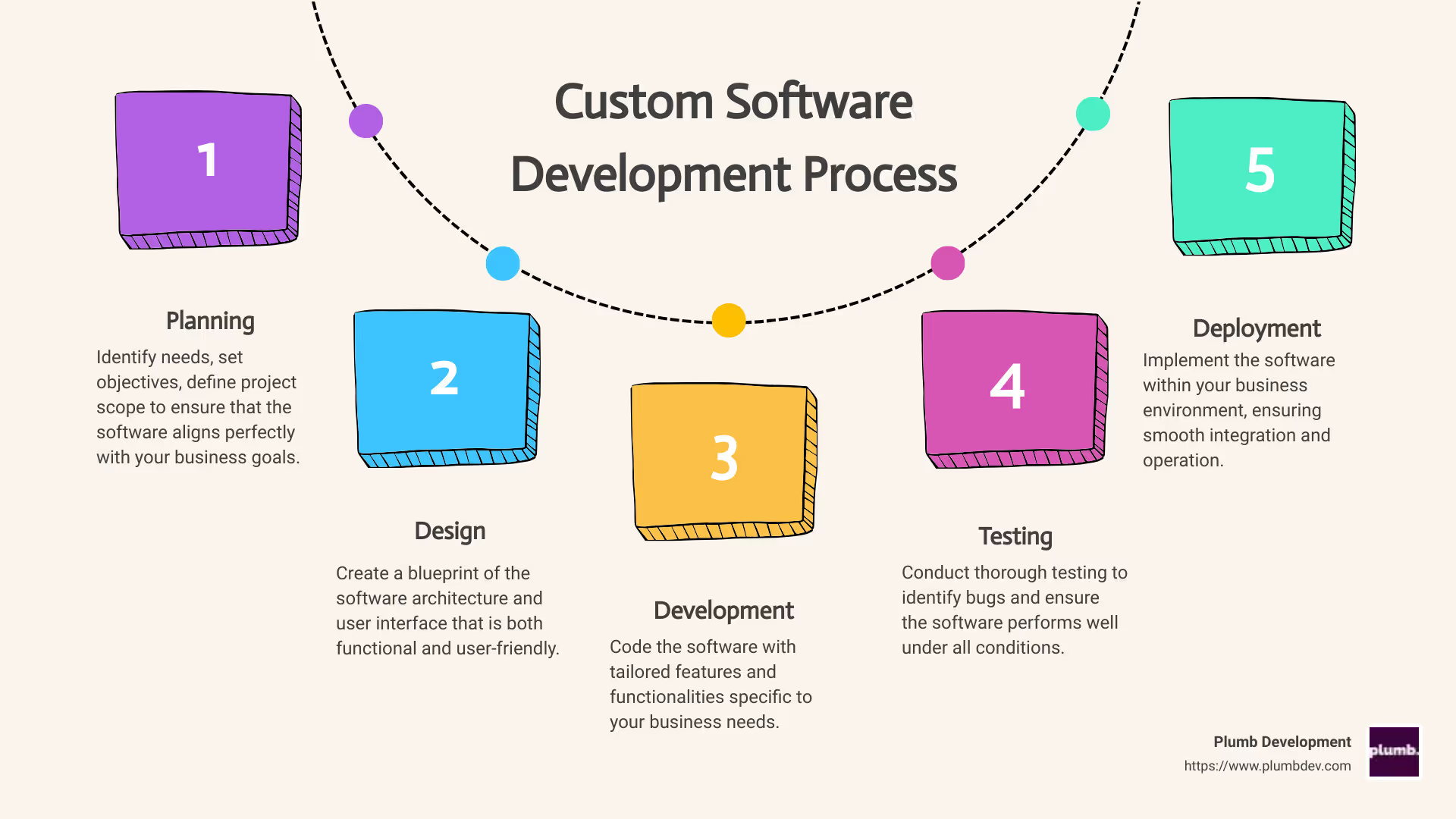
Understanding the process of custom software development is crucial for any business considering this investment. This section outlines the key steps: Planning, Design, Development, Testing, Deployment, and Maintenance. Each phase is vital to ensure the software not only meets the current needs but also adapts efficiently as your business evolves.
Planning
The journey begins with Planning. This phase is about defining clear objectives and setting the scope of the software. It involves identifying the problems the software will solve and setting achievable goals. As we've seen, not skipping the strategy phase is crucial. This is where you decide the primary business outcomes you expect from the software, such as increased revenue or improved operational efficiency.
Design
Next is the Design phase, where the user interface (UI) and user experience (UX) are crafted. This step is vital as it lays down the framework for how users will interact with the software. Good design is not just about aesthetics; it ensures the software is intuitive and user-friendly. Plumb Development, for instance, emphasizes simplifying processes to minimize the steps needed to complete tasks, enhancing overall user efficiency.
Development
Development is where the actual coding and creation of the software happen. This stage transforms ideas into a functional system. It's important to have a team that adheres to high coding standards and follows best practices to build a robust and secure application. Effective implementation of code is crucial here to ensure that the software performs smoothly.
Testing
Testing is critical to ensure the quality and effectiveness of the software. This phase helps to identify and fix any bugs or issues before the software goes live. It's about verifying that the software meets the specified requirements and works as expected in different environments and use cases.
Deployment
Deployment is the phase where the software is finally made live and is available for use. It's crucial to have a well-planned deployment strategy to ensure a smooth transition and minimal downtime.
Maintenance
Lastly, Maintenance is an ongoing process that ensures the software continues to function efficiently over time. It involves regular updates and upgrades to adapt to new technologies, fixing bugs, and adding new features as required by the business.
Each of these phases is interconnected and equally important. Skipping any phase can lead to software that doesn’t fully meet the business needs or fails to adapt to future changes. Why custom software development is important is not just about handling current requirements but also about adapting to future needs and challenges, ensuring long-term benefits.
We'll explore real-world success stories that demonstrate how effectively navigating the custom software development process can lead to significant business advancements.
Real-World Success Stories
In the journey of understanding why custom software development is important, nothing speaks louder than real-world success stories. These stories not only highlight the tangible benefits but also showcase the strategic advantages of custom software. Here, we delve into examples of efficiency gains, competitive advantage, customer satisfaction, and operational excellence achieved through custom solutions.
Efficiency Gains
Consider the case of a logistics company that faced challenges with a fragmented brand identity due to operating under multiple brands globally. By partnering with a software development team, they consolidated their operations under a single, powerful global brand. This not only streamlined their processes but also reduced operational redundancies, leading to significant efficiency gains. The consolidation helped the company emerge as a Top 100 global brand, enhancing its operational efficiency and global recognition.
Competitive Advantage
In the realm of e-commerce, a platform was struggling with low conversion rates. The introduction of a custom-developed software that included targeted online marketing programs and cross-selling techniques resulted in a 20 percent increase in sales and a 30 percent boost in profits. This clearly illustrates how custom software can provide a competitive edge by directly addressing specific business challenges and driving financial growth.
Customer Satisfaction
In the banking sector, a custom software development project focused on understanding and aligning with customer preferences significantly enhanced customer satisfaction. By analyzing customer data and migrating users to more profitable products that better met their needs, a bank was able to increase its revenues by 20 percent. This strategy not only improved the bank's bottom line but also its customer relations by offering more personalized banking solutions.
Operational Excellence
A consumer electronics manufacturer faced challenges in market penetration and product visibility. With the help of a custom software solution that facilitated targeted digital media campaigns, they were able to reach decision-makers effectively during critical moments of the buying process. The result was a complete sell-out of the product, establishing a foundation for more efficient and impactful marketing strategies.
These success stories demonstrate how custom software development isn't just about creating a tool but about crafting a strategic asset that can transform various facets of an organization. From boosting efficiency and gaining a competitive edge to enhancing customer satisfaction and achieving operational excellence, the benefits are substantial and varied.
We'll address common concerns and challenges that businesses might face when considering custom software development. This will help in understanding how to navigate potential obstacles and make informed decisions for successful software development projects.
Addressing Common Concerns and Challenges
When considering why custom software development is important, businesses often face a few common hurdles. Let's discuss these concerns: development time, initial costs, and finding the right partner.
Development Time
The time it takes to develop custom software can be a significant concern for businesses. Unlike off-the-shelf solutions, custom software requires a careful planning and development process. However, the investment in time pays off with a product that fits your exact needs without unnecessary features that bog down performance.
Key Point: Custom software is not a quick fix but a long-term solution tailored to grow and evolve with your business.
Initial Costs
Yes, the upfront cost of custom software can be higher than purchasing ready-made software. But, it's crucial to consider the long-term financial benefits. Custom software eliminates the need for multiple off-the-shelf products and reduces the dependency on vendor licenses and their renewal fees.
Fact: Over time, custom software can be more cost-effective as it is designed to scale with your business, avoiding the need for frequent replacements or upgrades.
Finding the Right Partner
Choosing the right development partner is crucial. The success of your project depends on their expertise, reliability, and understanding of your business goals. Here are a few tips to find the ideal partner:
- Check their portfolio: Look at their previous projects to see if they have experience in your industry.
- Read client testimonials: Client feedback can provide insights into their working style and reliability.
- Discuss their approach: Ensure their development methodology aligns with your business needs.
Quote from a business leader: "The right software development partner doesn't just provide technology solutions; they add value by understanding your business and tailoring software that acts as a catalyst for growth."
Smooth Transition to Next Steps
Understanding these concerns and how to address them prepares businesses to take informed steps towards developing custom software. The right approach and partnership can significantly mitigate these challenges, turning potential obstacles into stepping stones for success.
Let's dive into the frequently asked questions about custom software development, providing further clarity on how custom solutions can drive business growth and the initial steps to take in developing these solutions.
Frequently Asked Questions about Custom Software Development
What Makes Custom Software Different from Off-the-Shelf Solutions?
Custom software is like a tailor-made suit, crafted specifically to fit your business's unique needs and processes. Unlike off-the-shelf software that offers a one-size-fits-all solution, custom software is designed from the ground up to align with your business's specific goals, workflows, and requirements. This personalized approach not only ensures better integration with existing systems but also provides the flexibility to adapt as your business grows and evolves.
How Can Custom Software Drive Business Growth?
Custom software acts as a growth engine for businesses by enabling:- Enhanced efficiency: Streamline operations and reduce manual efforts by automating specific tasks tailored to your business needs.- Competitive advantage: Implement unique features that set you apart from competitors, offering customers something they can't get elsewhere.- Scalability: Easily adjust features and capacity to accommodate business growth without the need for significant changes or new software purchases.
Custom software also allows for better data insights, which can lead to more informed decision-making and, ultimately, improved business performance.
What Are the First Steps in Developing Custom Software?
Starting your journey with custom software development involves a few critical steps:
- Define Your Objectives: Clearly understand what you want to achieve with your custom software. Identify the problems it needs to solve or the processes it should improve.
- Choose the Right Partner: Select a development partner, like Plumb Development, that has the expertise and a proven track record in building custom solutions in your industry.
- Plan Your Project: Work with your chosen developer to outline a detailed project plan. This plan should include timelines, budgets, and key deliverables.
- Develop a Prototype: Often, it’s wise to start with a prototype or a minimum viable product (MVP). This approach allows you to test ideas and functionalities before full-scale development.
- Iterate Based on Feedback: Use feedback from the prototype phase to refine and enhance the software, ensuring it fully meets your business needs.
By following these steps, you can ensure that your custom software project starts on the right foot, with a clear path towards enhancing your business operations and boosting growth.
Let's explore how addressing common concerns and challenges can further streamline the path to successful software development.
Conclusion
As we wrap up our discussion on custom software development, it's clear that the journey towards creating tailor-made solutions offers more than just immediate operational improvements. The real value lies in the long-term benefits and strategic advantages that custom software brings to the table. By choosing to invest in custom solutions, businesses can unlock their full potential and pave the way for sustainable growth.
Long-term Value
The initial investment in custom software might seem daunting, but the long-term savings and ROI are substantial. Custom software eliminates the need for multiple licenses and reduces dependency on third-party solutions, which often come with recurring costs. Moreover, by owning the software, businesses can avoid the incremental costs associated with upgrades and changes that are not always necessary. The ability to update and modify the software as needed allows companies to keep pace with technological advances and changing industry standards, ensuring the software remains a valuable asset for years to come.
Strategic Advantage
Custom software provides a strategic advantage by differentiating your business from the competition. In a digital landscape where customer expectations are continuously evolving, the ability to deploy unique solutions tailored to specific customer needs can be a game-changer. This level of personalization enhances customer satisfaction and loyalty, which are critical components of business success in today's market.
Moreover, custom software can integrate seamlessly with existing systems, providing a holistic view of operations and enabling more informed decision-making. This integration capability supports more efficient workflows and can significantly enhance operational efficiency.
Plumb Development
At Plumb Development, we understand the importance of not just developing software, but creating solutions that are a perfect fit for your business goals and operational needs. Our approach to custom software development focuses on understanding your business deeply and delivering solutions that not only meet but exceed your expectations. By leveraging our expertise, you gain a partner who is committed to your success and equipped to provide support throughout the lifecycle of your software.
Whether you're looking to improve efficiency, enhance customer engagement, or drive innovation, custom software development is a strategic investment that can help you achieve these goals. The flexibility, scalability, and security that come with custom solutions make them an indispensable tool for businesses looking to thrive in a competitive market.
Discover how Plumb Development can help you harness the power of custom software to unlock your business's potential. Visit our Custom Software and Application Development Services page to learn more and get started on your journey to transformation.
In summary, investing in custom software is not just about meeting current needs—it's about setting your business up for long-term success and maintaining a competitive edge in a rapidly evolving digital world. With the right partner like Plumb Development, the path to achieving and sustaining this success becomes clearer and more attainable.
