Quick Guide: Key Elements of a Financial Services Website That Stands Out
User Experience: Intuitive navigation and fast load times.
Mobile-Friendly Design: Accessible on devices of all sizes.
Strong Calls to Action (CTAs): Clear and compelling invitations for the user to take the next step.
Compliance-Friendly Hosting: Ensures all data is secure and the website meets industry standards.
SEO Optimization: Makes the site easy to find for those in need of financial services.
The design of your financial services website is more crucial than ever. It's often the first contact potential clients have with your brand, creating a lasting impression that can either attract or repel them. Given the saturated market, standing out becomes a necessity, not a luxury. A well-designed website serves as a beacon for Small to Medium Enterprises (SMEs) navigating the crowded digital landscape, aiming to enhance their brand presence and engage more effectively with their clients.
The right design embodies your brand's values, showcases your expertise, and speaks directly to your target audience's needs, making it an invaluable asset in your marketing arsenal. But, it's not just about looking good. Your website must also offer a seamless user experience, be easy to navigate, and accessible on any device. Moreover, integrating strong calls to action and ensuring your site is search engine optimized can dramatically improve your online visibility and lead conversion rates.
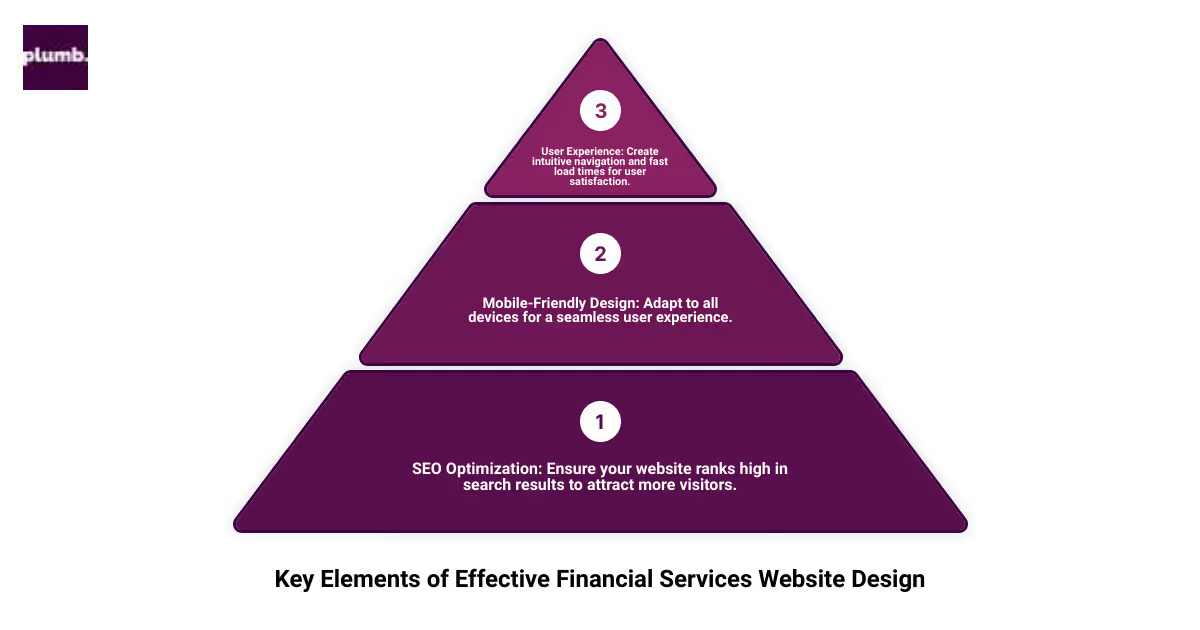
Key Elements of Effective Financial Services Website Design
When it comes to financial services website design, certain elements can't be overlooked. Let's dive into what makes a website not just good, but great.
User Experience (UX)
First up, User Experience. This is all about how folks feel when they visit your site. Is it easy to find what they're looking for? Does the site load quickly? Here's the thing: if your site is confusing or slow, people will leave. Period. Keep menus clear and simple, and make sure pages load fast.
Mobile-Friendly
Next, we've got to talk about being Mobile-Friendly. Nowadays, more people use their phones to browse the internet than ever before. If your site doesn’t look good on a small screen, you’re in trouble. Make sure your website adjusts smoothly to any device - that's called responsive design.
Strong Calls to Action
Now, onto Strong Calls to Action. These are the buttons or links that guide users on what to do next - like "Contact Us" or "Apply Now". They should stand out and be easy to find. Without clear calls to action, potential clients might not take that next step you’re hoping for.
Compliance-Friendly Hosting
Compliance-Friendly Hosting is crucial in the financial sector. Your website needs to be hosted on a platform that understands the importance of data security and regulatory compliance. This isn't just about protecting your clients' information; it's also about keeping your business on the right side of the law.
SEO Optimization
Last but definitely not least, SEO Optimization. SEO stands for Search Engine Optimization. It’s all about making your site more visible on search engines like Google. Use keywords that your potential clients might search for. Also, make sure your site’s structure and content are optimized for search engines. The easier it is to find your site, the more visitors you’ll get.
A great financial services website design is all about making the experience as smooth and engaging as possible for your visitors. Keep it simple, make it fast, and ensure it’s easy to use on any device. Add clear calls to action and secure hosting into the mix, and you’ll be setting your site up for success. And don't forget about SEO - being seen is just as important as being good.
Moving on, let's explore some inspiring examples of financial services website design that showcase these key elements in action.
Inspiring Examples of Financial Services Website Design
In financial services, standing out is key. A great website design can be the difference between blending in and being memorable. Let's dive into some examples that do just that.
Aravis
Visuals and Animations: Aravis sets the bar high with its stunning visuals and smooth animations. The website uses captivating imagery and sophisticated animations to guide visitors through their services. It's not just about looking good; these elements make complex financial concepts more accessible.
Vista Equity Partners
Subtle Movements, Visual Hierarchy: Vista Equity Partners masters the art of subtlety. Their website design incorporates gentle animations that draw the eye without overwhelming. The visual hierarchy is meticulously planned, making it easy for visitors to navigate through the wealth of information provided.
Carlyle
Unconventional Layout, Branding: Carlyle breaks the mold with an unconventional website layout that immediately grabs attention. This bold choice reflects their innovative approach to business. The strong branding throughout the site reinforces their market position and values.
White Square Capital
Clean Design, Interactive Animations: White Square Capital proves that simplicity is the ultimate sophistication. Their website sports a clean, uncluttered design enhanced by interactive animations. This approach not only makes the website visually appealing but also engaging, encouraging visitors to explore more.
Lux Capital
Content-Centered, Creativity: Lux Capital focuses on delivering a content-centered experience without sacrificing creativity. Their website is a treasure trove of information, presented through compelling images and videos. This blend of content and creativity makes complex topics approachable and interesting.
Each of these examples highlights how financial services websites can go beyond the traditional to create something truly inspiring. From Aravis's captivating visuals to Lux Capital's creative content delivery, these designs showcase the power of combining aesthetics with functionality. Whether it's through subtle animations, unconventional layouts, or clean designs, these websites not only convey information but also engage and inspire their visitors.
It's clear that the trends in financial services website design lean towards minimalism, interactive elements, and strong branding. These examples serve as a benchmark for what's possible when creativity meets financial expertise.
Next, we'll delve into the design trends shaping today's financial services websites, providing you with insights on how to stay ahead of the curve.
Design Trends in Financial Services Websites
In the dynamic world of financial services website design, staying current with the latest trends is not just about being stylish; it's about effective communication and engagement with your audience. Here, we explore key design trends that are making waves and how they can be leveraged to create a compelling online presence.
Minimalism
Simplicity is king. The minimalist trend emphasizes clean lines, ample white space, and a focus on essential content. This approach not only makes your website look modern and professional but also improves usability. Users can find what they need without unnecessary distractions. A minimalist design ensures your website is accessible and straightforward, inviting visitors to explore your services without feeling overwhelmed.
Video Backgrounds
Bring your website to life. Video backgrounds are an effective way to capture attention right from the homepage. Financial services can seem complex and impersonal; a well-chosen video can convey your brand's personality and make financial concepts more relatable. For instance, MacQuarie's use of vibrant video backgrounds showcases the energy and innovation behind their services, making financial discussions more engaging.
Interactive Elements
Engagement through interaction. Interactive tools like calculators, quizzes, and dynamic charts invite users to engage directly with your content. These elements can transform passive browsing into an active experience, helping users understand complex financial services in a hands-on way. For example, the incorporation of interactive tools on 3commas.io makes the daunting world of crypto portfolio management more accessible and user-friendly.
Bold Typography
Make a statement with type. Bold typography is not just about aesthetics; it's a powerful tool for guiding user attention and conveying key messages. Strong, clear typefaces can highlight your most important services and values, ensuring they stand out on the page. This approach can be seen in Clairfield International's website, where bold typography reinforces the firm's expertise and reliability.
Color Schemes
Colors that communicate. The right color scheme can evoke emotions, convey brand values, and improve readability. Financial websites are increasingly moving away from traditional blues and greens, embracing bolder and more diverse palettes. This shift allows for a more personalized and modern brand expression. For example, the use of bright, clear images and pleasant color contrasts on LendingUSA's website creates an inviting and user-friendly experience.
Incorporating these design trends into your financial services website can significantly enhance user experience, engagement, and brand perception. By embracing minimalism, video backgrounds, interactive elements, bold typography, and thoughtful color schemes, you can create a website that not only stands out but also effectively communicates the value of your services.
It's essential to keep these trends in mind while also staying adaptable to new developments in web design. The goal is to create a financial services website that is not only visually appealing but also deeply resonant with your target audience's needs and expectations.
How to Create a Financial Website That Stands Out
In the bustling world of financial services, standing out from the crowd is not just beneficial; it's essential. Your website is often the first interaction potential clients have with your brand. Making it memorable and impactful can set the stage for a successful relationship. Here's how to ensure your financial services website design not only catches the eye but also captures the heart of your audience.
Personalized Domain Name
Your domain name is your digital address, and like any good address, it should be easy to find and remember. A personalized domain name that reflects your brand and services can make a significant difference. It's the first step in establishing a strong online presence and building trust with your audience. Think of it as your online business card - make it count.
Advanced CMS
Behind every great website is a powerful Content Management System (CMS). An advanced CMS allows you to easily update content, ensuring your website stays fresh and relevant. It also supports responsive design, ensuring your site looks great on any device, which is crucial for keeping mobile users engaged. Consider platforms that offer flexibility, security, and scalability to grow with your business.
Niche Focus
In finance, specialization can be a key differentiator. By focusing on a specific niche, your website can speak directly to the unique needs and concerns of your target audience. Whether it's retirement planning, investment strategies for tech professionals, or financial advice for small business owners, a niche focus helps create a connection and establish your expertise.
Quality Video Creation
A picture is worth a thousand words, but a video could be worth a million engagements. High-quality video content can convey complex financial concepts in an accessible and engaging way. From client testimonials to explainer videos, incorporating video into your financial services website design can enhance user experience and keep visitors engaged longer.
SEO Maximization
Last but certainly not least, Search Engine Optimization (SEO) is crucial for ensuring your website is found by those who need your services. Use targeted keywords, optimize your site's speed, and regularly update your content to improve your search engine rankings. A website that stands out is not just about design; it's also about being visible to your target audience.
By focusing on these key areas, you can create a financial services website that not only stands out from the competition but also truly resonates with your clients. Your website is the gateway to your brand. Make it memorable, make it impactful, and watch your business grow.
As we delve into the frequently asked questions about financial services website design, keep these strategies in mind to further refine and enhance your online presence.
Frequently Asked Questions about Financial Services Website Design
Navigating financial services website design can sometimes feel like walking through a maze. With compliance regulations, SEO, and user engagement to consider, it's easy to get lost. Let's simplify this journey with answers to some of the most common questions.
How do I ensure my financial website is compliant?
Compliance is key in the financial industry. Here's how you can ensure your website ticks all the right boxes:
- Stay Updated on Regulations: Laws and regulations can change. Always stay informed about the latest compliance requirements specific to your industry.
- Privacy Policies and Disclaimers: Clearly display your privacy policy and any necessary disclaimers on your website. This transparency builds trust with your visitors.
- Secure Sockets Layer (SSL) Certificate: An SSL certificate is a must for encrypting data and protecting your clients' information.
- Accessibility: Ensure your website is accessible to people with disabilities. This not only expands your audience but also complies with regulations like the ADA (Americans with Disabilities Act).
What are the best practices for SEO in financial services websites?
SEO can seem complex, but here are straightforward strategies to improve your financial services website's visibility:
- Keyword Research: Identify the terms your potential clients are searching for and incorporate them naturally into your content.
- Quality Content: Write informative, engaging content that addresses your audience's needs. This helps with both search rankings and user engagement.
- Mobile Optimization: With more people using mobile devices to browse the web, ensure your site is mobile-friendly.
- Fast Loading Times: A fast website improves user experience and helps with search engine rankings. Optimize images and leverage browser caching to speed things up.
- Backlinks: Earn backlinks from reputable sites in your industry. This boosts your site's authority and rankings.
How can I improve user engagement on my financial services website?
Engaging users is crucial for turning visitors into clients. Here are ways to boost engagement:
- Intuitive Navigation: Make it easy for visitors to find what they're looking for with a clear, simple menu structure.
- Interactive Tools: Calculators, quizzes, and interactive charts can make complex financial information more digestible and engaging.
- Testimonials and Case Studies: Share stories of how you've helped clients achieve their financial goals. Real-life examples build credibility and trust.
- Regular Updates: Keep your content fresh and relevant. A blog or news section can keep your audience coming back for more.
- Call to Action (CTA): Use clear, compelling CTAs to guide users to the next step, whether it's contacting you, downloading a guide, or scheduling a consultation.
Your financial services website is more than just a digital brochure. It's a dynamic tool that, when designed with care, can attract, educate, and convert your audience. Keep these FAQs in mind as you refine your online presence, and don't hesitate to reach out to professionals who specialize in financial services website design for further guidance.
Conclusion
In wrapping up our journey through the essentials of financial services website design, it's clear that the landscape is constantly evolving. The financial sector, traditionally seen as conservative and resistant to change, is now at the forefront of some of the most innovative web design trends. This evolution is not just about aesthetics; it's about creating platforms that engage, inform, and build trust with clients.
At Plumb, we understand the unique challenges and opportunities that come with designing for financial services. Our approach is rooted in a few key strategies that we believe are crucial for a website to not only stand out but to effectively serve its purpose.
Innovative Strategies
Firstly, we emphasize the importance of user experience (UX). A financial services website should be intuitive, easy to navigate, and accessible to all users, including those with disabilities. This focus on UX is not just about compliance; it's about showing your clients that you value their time and ease of access to your services.
Secondly, we're big advocates for mobile optimization. With the majority of web traffic now coming from mobile devices, your website needs to look and function flawlessly on screens of all sizes. This isn't just a trend; it's a fundamental shift in how people access information online.
Security is another pillar of our strategy. Financial websites deal with sensitive client information, making them prime targets for cyber-attacks. Implementing robust security measures is not just good practice; it's a duty to your clients. This includes secure hosting, data encryption, and regular security audits.
Content is king, but in the financial world, compliance is the crown. Our team is adept at creating content that not only engages and informs but also adheres to the stringent regulations governing the financial industry. This balance of creativity and compliance is what sets Plumb apart.
Finally, we believe in the power of analytics and SEO. A beautiful website is only effective if it's seen by the right people. We use advanced analytics to understand how visitors interact with your site, and we optimize content to ensure you rank highly for the financial services you offer.
At Plumb, we're more than just web designers; we're partners in your digital strategy. Our approach combines the latest design trends with timeless principles of user engagement and trust-building. Whether you're looking to refresh your existing website or create a new one from scratch, we're here to guide you through every step of the process.
In an industry as dynamic and competitive as financial services, having a website that reflects your firm's values, expertise, and commitment to clients is non-negotiable. Let's work together to create a digital presence that not only meets but exceeds the expectations of your clients and sets you apart from the competition.