
Introduction
Brand strategy and creative services are essential if you aim to distinguish your brand in a competitive market. These services help to not only define but also express your brand's unique essence. Let's quickly break down what each service typically entails:
- Brand Strategy: This involves setting a long-term plan that encapsulates your brand’s mission, vision, values, and target audience. It is about laying the groundwork for who you are as a brand.
- Creative Strategy: This is all about how your brand uses design, messaging, and media to communicate its identity and engage with the audience effectively.
For a busy SME owner looking to enhance online visibility and drive sales, understanding the synergy between brand strategy and creative services is crucial. These strategies ensure that your brand not only stands out from the competition but also resonates deeply with your customers, potentially leading to increased loyalty and revenue.
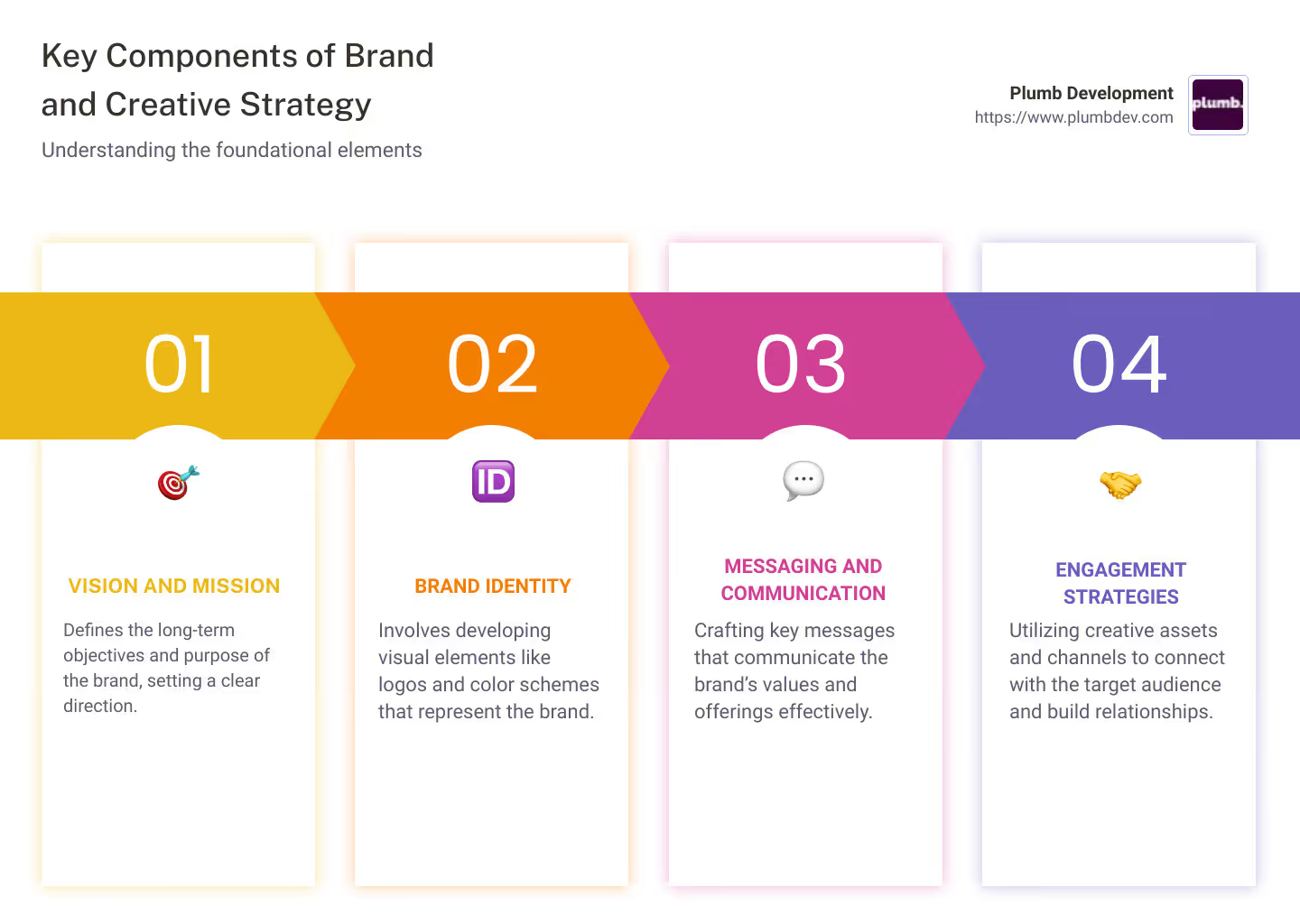
Both elements are integral to building a strong brand presence. Through strategic clarity and creative excellence, your business can project a compelling identity that captures attention and fosters customer connection. Let’s dive deeper into each component.
Understanding Brand Strategy
Brand strategy is about defining who you are as a business and how you want to be perceived in the market. It's a roadmap that aligns your brand's vision, mission, and values with its overall goals. Here's a breakdown of the key elements of brand strategy:
Vision
Your brand's vision is the ultimate goal you aim to achieve. It’s the aspirational future state you envision for your business. For example, a tech company might aspire to "revolutionize how people interact with technology."
Mission
This is what your brand does every day to achieve its vision. It's a clear statement that describes your purpose. Using the same tech company example, their mission could be "to create innovative and user-friendly technology solutions."
Values
These are the principles that guide your company's behavior and decision-making process. Values like integrity, innovation, and customer-centricity often form the backbone of a brand’s character.
Positioning
Brand positioning involves defining how you want to be seen in the eyes of your customers relative to your competitors. It’s about carving out a unique spot in the market that your brand can own.
Voice
Your brand voice is the personality you convey in all your communications. It can be professional, friendly, authoritative, or any tone that aligns with your brand personality.
Target Audience
Identifying who your brand is speaking to is crucial. Understanding your audience’s demographics, behaviors, and preferences helps tailor your strategies to meet their needs.
Brand Identity
This includes the visual elements of your brand, like logos, colors, and typography, as well as the messaging that communicates your brand’s essence to the public.
Brand Storytelling
It's not just what you sell; it's the story behind it. Effective brand storytelling involves crafting narratives that resonate emotionally with your audience, making your brand memorable.
Brand Consistency
Maintaining a consistent brand across all channels and touchpoints is vital. It helps reinforce your identity and can increase customer recognition and loyalty.
Brand Equity
This is the value derived from consumer perceptions of your brand. Strong brand equity can lead to increased customer loyalty, higher sales, and the ability to charge premium prices.
By understanding these components, businesses can create a brand strategy and creative services that not only differentiate them from competitors but also deeply connect with their audience. This connection is pivotal in building lasting relationships that drive business success.
In the next section, we'll explore how integrating creative strategies enhances these foundational elements, further empowering your brand's market position and audience engagement.
Exploring Creative Strategy
When we talk about brand strategy and creative services, it's not just about the logo or the colors; it's about the entire creative approach that communicates your brand's message. Let's dive into what makes a creative strategy effective: Creative Concept, Messaging, Visual Identity, Marketing Channels, and Creative Assets.
Creative Concept
The creative concept is the big idea behind your brand's campaign. It's what ties all your marketing efforts together. For example, GoPro's user-generated content strategy not only promotes their cameras but also builds a community around the brand. This concept leverages real-world experiences to showcase the product's durability and quality, making the marketing feel authentic.
Messaging
Effective messaging is crucial. It's about crafting the right words that speak directly to your audience's needs and desires. Messaging should be clear, compelling, and consistent across all platforms. It's not just what you say; it's how you say it that can turn potential customers into loyal ones.
Visual Identity
Your brand's visual identity includes logos, colors, fonts, and imagery that represent your company. It's what makes your brand recognizable. For instance, Apple's clean and innovative design is instantly recognizable worldwide, reflecting its commitment to high-quality and cutting-edge technology.
Marketing Channels
Choosing the right marketing channels is essential to reach your target audience where they are most active. Whether it's social media, email marketing, or traditional advertising, each channel offers unique advantages. Wendy's, for example, uses Twitter to engage with customers through witty and playful roasts, fitting perfectly with their brand personality.
Creative Assets
These are the specific tools you use to communicate your brand's message. From website content and social media posts to advertisements and email campaigns, each asset should align with your overall creative concept and strategy. For example, the visually stunning presentations at Apple’s keynote events are creative assets that enhance their product announcements.
Integrating these elements effectively ensures that your creative strategy not only complements your brand strategy but also amplifies it. This synergy is crucial for establishing a strong market position and engaging your audience in meaningful ways.
Next, we'll look at how the alignment of brand and creative strategies can create a cohesive identity that targets the right audience and differentiates your brand in the market.
The Synergy of Brand and Creative Strategy
When brand strategy and creative strategy work together, they form a powerful duo that can significantly enhance your brand's market presence and customer engagement. Let's explore how these strategies align and contribute to your brand’s success.
Alignment with Vision and Values
Brand strategy and creative strategy must be in sync to effectively communicate your brand's core messages. For instance, if your brand values sustainability, your creative strategy should highlight these practices through eco-friendly packaging or green-themed marketing campaigns. This alignment ensures that every piece of content and marketing effort reinforces what your brand stands for, making your message clear and consistent across all platforms.
Targeting the Right Audience
Identifying and understanding your target audience is crucial. Your brand strategy should define who your ideal customers are, while your creative strategy should focus on how to reach and engage them. For example, if your target audience is tech-savvy millennials, your creative strategy might leverage modern design trends and digital channels like social media to capture their attention effectively.
Differentiation in the Market
In today's competitive landscape, standing out is more important than ever. Your brand strategy should pinpoint what makes your brand unique, and your creative strategy should bring these elements to life. A distinctive logo, a memorable tagline, or an innovative advertising campaign can differentiate your brand from competitors. This not only captures attention but also makes your brand memorable.
Building Brand Identity
A strong brand identity is built when both strategies are aligned. Your brand strategy outlines the personality and values of your brand, while your creative strategy uses visual and textual elements to express these traits. Consistency in visuals and messaging across all touchpoints—from your website to your social media profiles—helps solidify your brand identity in the minds of consumers.
Measurable Success
Finally, the success of integrating brand and creative strategies can be measured through various metrics such as brand awareness, customer loyalty, and overall market share. Tools and techniques like surveys, website analytics, and customer feedback play a crucial role in measuring how well your strategies are performing. This data not only shows the effectiveness of your efforts but also guides future strategy adjustments.
By ensuring that your brand strategy and creative services work in harmony, you can create a compelling brand identity that resonates with your audience, stands out in the market, and achieves measurable success. Remember that these strategies are not static; they require continuous refinement and adaptation to changing market conditions and consumer preferences.
Implementing Effective Strategies
When it comes to brand strategy and creative services, successful implementation is key to transforming your vision into measurable results. Here’s how you can effectively put these strategies into practice:
Define Core Identity
Start by clearly defining who you are as a brand. This means establishing your vision, mission, and values. Think about what makes your brand unique and how you want to be perceived by your target audience. For example, Patagonia’s commitment to environmental activism is central to its brand identity, influencing its product design and marketing strategies.
Market Research
Understanding your audience is crucial. Use surveys, focus groups, and market analysis to gather insights about your customers' needs, preferences, and behaviors. This data helps tailor your branding and creative efforts to better connect with your target market.
Competitor Analysis
Keep a close eye on your competitors. Analyze their strengths and weaknesses to find gaps in the market and opportunities for differentiation. This can inform your positioning and help you stand out. For instance, while Nike inspires with "Just Do It," Adidas carves a niche around innovation.
Practice and Iterate
Branding and creative strategies are not set-and-forget tasks. They need to be practiced, monitored, and refined. Coca-Cola, for example, has continually evolved its marketing to maintain its brand relevance and emotional connection with consumers. Regularly review the impact of your strategies and make adjustments as needed.
Craft Compelling Stories
Storytelling is a powerful tool in branding. Create narratives that resonate with your audience and reflect your brand values. Dove’s “Real Beauty” campaign effectively used storytelling to challenge beauty stereotypes and engage with a broader demographic.
Seek Feedback
Feedback is invaluable. Engage with your customers, employees, and stakeholders to gather insights about your brand’s impact. Use this feedback to refine your strategies. Starbucks’ adaptation to customer preferences through feedback via social media is a prime example of this practice in action.
Measure and Analyze Results
Finally, measure the effectiveness of your strategies through both qualitative and quantitative metrics. Track brand awareness, customer loyalty, and engagement levels. Analyze these data points to understand what’s working and what isn’t. Netflix’s use of data analytics to drive content and user experience decisions highlights the importance of measurement in strategy implementation.
By following these steps, you can ensure that your brand strategy and creative services are not only well-planned but also effectively executed, leading to a strong brand identity and a successful business. Now, let's move on to addressing some common questions about brand strategy and creative services to further clarify these concepts.
Frequently Asked Questions about Brand Strategy and Creative Services
What is the difference between brand strategy and creative strategy?
Brand strategy is your game plan for how you want your business to be perceived in the market. It includes your vision, mission, and values, and outlines how you position your brand in the competitive landscape. Think of it as defining the personality and promise of your brand.
Creative strategy, on the other hand, is about how you express that personality visually and verbally across marketing channels. It involves designing the visuals, crafting the message, and choosing the right media to communicate with your target audience. It's the creative execution that brings your brand strategy to life.
How do brand and creative strategies impact business growth?
When aligned properly, brand strategy and creative services can significantly boost business growth. A strong brand strategy helps in building a consistent brand identity which makes your business recognizable and trusted. This trust translates into customer loyalty and repeat business, which are crucial for growth.
Creative strategy ensures that the brand’s message is communicated in an engaging and effective way, attracting more customers. For example, Nike’s “Just Do It” campaign not only conveys empowerment but does so in a way that motivates and resonates with their audience, effectively increasing sales.
Can small businesses benefit from investing in brand and creative services?
Absolutely! Small businesses particularly stand to gain from investing in brand strategy and creative services. Even on a limited budget, defining a clear brand strategy can help small businesses stand out in a crowded market. Effective creative strategies can attract the right audience without the need for a big media spend.
For instance, a small coffee shop can create a strong local brand identity around being a community hub, using creative social media strategies to engage local customers and drive foot traffic. This approach doesn’t require large budgets but can effectively compete against bigger chains by leveraging a strong brand and creative execution.
By understanding these elements and integrating them into your business planning, small and large businesses alike can see substantial benefits from brand strategy and creative services.
Conclusion
As we wrap up our exploration of brand strategy and creative services, it's evident that these are not just supplementary aspects of business; they are fundamental to achieving success and distinction in a competitive market. At Plumb Development, we pride ourselves on more than just delivering services; we act as dedicated partners in sculpting brands that resonate deeply with their intended audiences.
Our approach is rooted in a deep understanding of your unique needs and market position. We don’t just create – we collaborate, ensuring that every piece of content, every design, and every strategy aligns seamlessly with your vision and business goals. This meticulous alignment helps in crafting a brand that not only stands out but also endures.
The right brand strategy and creative services can transform how the world perceives your brand, setting you apart from the competition and fostering a lasting connection with your customers. With Plumb Development, you have a partner who guides you through every step of the process, ensuring that your brand not only stands out but shines brilliantly.
For those ready to elevate their brand to new heights, discover how Plumb Development can make a significant difference. Explore our branding and creative services today.
In conclusion, leveraging brand strategy and creative services is not a one-time effort but an ongoing journey. With the right partner, you can continuously evolve and enhance your brand, keeping it relevant and resonant with your audience. Allow Plumb Development to be the partner that helps you navigate this journey, turning your vision into a reality that exceeds your expectations.
